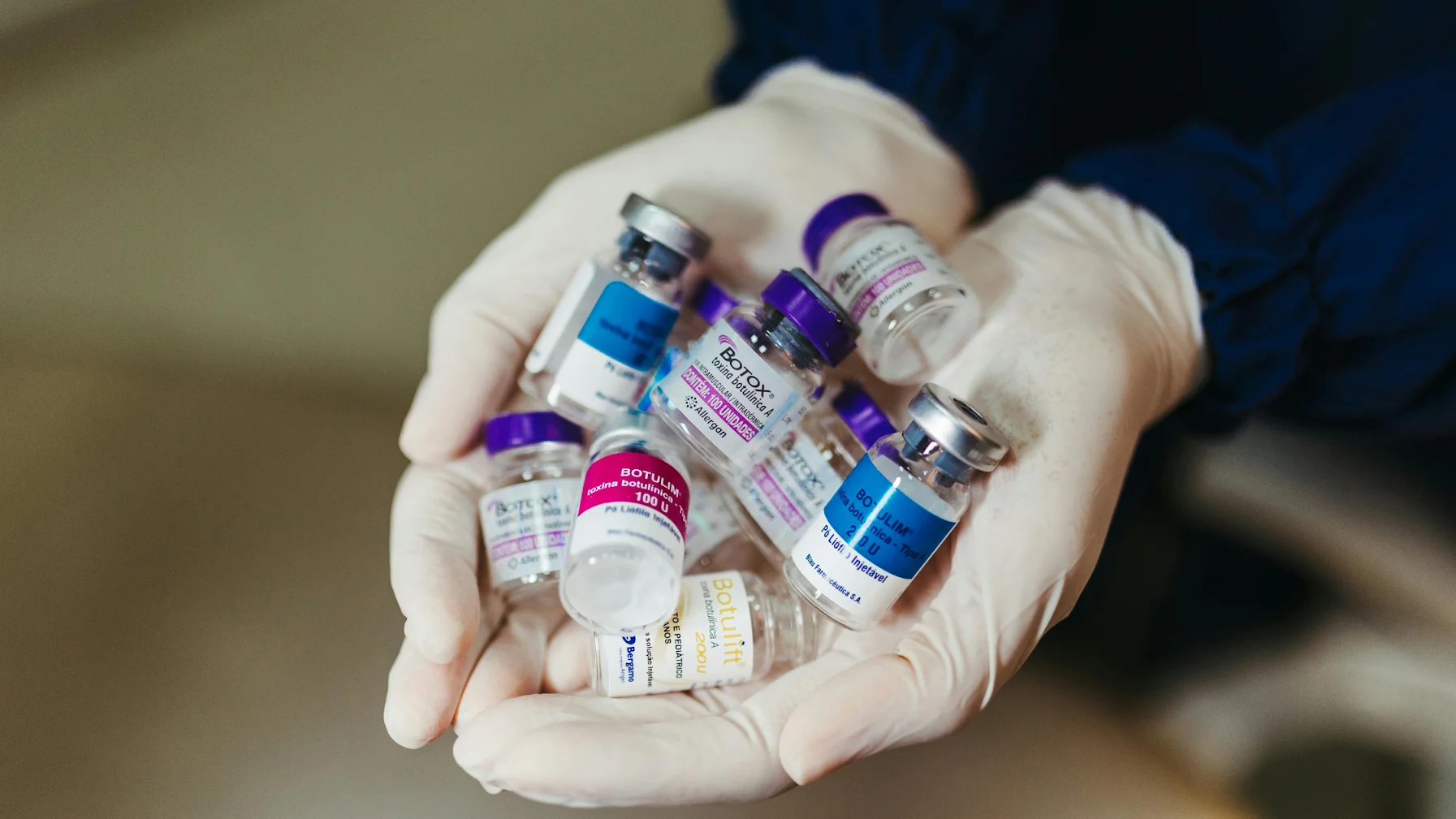
In 2012, Dr. Soparkar and colleagues at Baylor College of Medicine published a pilot study testing whether oral zinc and phytase supplementation could increase the efficacy and extend the duration of botulinum toxin treatments in a population of treatment resistant patients afflicted with blepharospasm, a disorder causing episodic uncontrollable eyelid closing.
The early results were striking enough that the trial had to be stopped ahead of schedule. More than a decade later, other researchers have tested the idea too, with mixed results, not completely understanding the premise and tenants of the original study. Here’s what the study found, what it didn’t prove, and how we think about zinc supplementation with botulinum treatments today.
This is the cornerstone guide in our practice’s original-research series — the studies our physicians have authored and what they mean for patients considering treatment.
Key Takeaways
- Who were the participants? To understand the study, we have to understand who was being examined. These were patients afflicted with blepharospasm, a condition where the eyes spontaneously forcefully spasm closed. Treatment is typically botulinum injections around the eyes to weaken the powerful squeezing muscles. The patients entered into the study were deemed “difficult to treat,” as they had failed Botox injections by several other physicians. Smaller groups of cosmetic patients and hemifacial spasm patients who had some treatment response difficulties were also included.
- Our 2012 study found a 29.6% average increase in treatment duration. Among 77 patients taking 50 mg of zinc citrate plus 3,000 PU of phytase for four days before as well as on the morning of Botox injection, 92% reported longer-lasting results, and 84% reported a stronger effect.
- Lower dose zinc supplementation without phytase did nothing. Patients taking 10 mg of zinc gluconate — roughly the standard recommended daily amount — showed no significant difference from placebo.
- What was the study design? The study was planned for three supplement arms: a placebo, 10 mg of zinc gluconate, and 50 mg of zinc citrate with 3,000 PU of phytase. Between each treatment arm, patients were given two cycles of Botox or Dysport treatment as a “washout” before the next supplement arm. Patients were asked to keep daily records of how well they could visually function. The study was “double blinded,” meaning neither the patients nor the treating physician knew what supplement was being given.
- How long did the study run? With progressive patient enrollment and at roughly three months per treatment, the study was expected to run nearly 3 years.
- We stopped the trial early. Several blepharospasm patients had sufficiently dramatic vision and daily functioning improvements that they identified their treatment arm and demanded more of the same. These were people who were suddenly once again able to navigate around their homes, read, and drive, often for the first time in years. So, we felt it was unethical not to break the study and unmask the treatments.
- How much did zinc levels change? Zinc levels in blood and urine do not accurately reflect tissue levels, levels are different in different tissues, and tissue stores last only days. Therefore, if we wanted to accurately assess zinc levels before and after zinc supplementation, we would have needed to perform repeated face biopsies. We declined to do so and simply provided supplementation.
- How was toxin effect and duration determined? Since the goal was to improve patient function, the ability to keep the eyes open in a useful, meaningful manner, we asked the patients to keep daily logs of their ability to keep their eyes open and function in daily tasks. The only way to objectively assess the effect would be to obtain prolonged video studies. We declined to do so.
- Why were the doses used chosen, and why was phytase added? The daily recommended dose of zinc in the U.S. is 8-10 mg. This was a self-funded study, so we went to the local pharmacy and found 10 mg zinc gluconate and a higher dose of 50 mg zinc citrate. Although a little controversial, zinc citrate may be slightly better absorbed than zinc gluconate. Our compounding pharmacy was able to blend 3,000 units of phytase into the zinc citrate preparation. Many people don’t tolerate taking high dose zinc on an empty stomach, and many foods bind zinc, blocking its absorption. Chief among these foods are phytates, found in seeds, nuts, grains, legumes, fruits, and vegetables. Phytase breaks down phytates, allowing for zinc absorption. Since the federal safety ceiling for zinc is 40 mg taken every day, we chose a short, physician-supervised loading protocol rather than an ongoing supplement routine.

Why We Asked the Question in the First Place
Botulinum toxins belong to a family of enzymes called zinc-dependent metalloproteases. The toxin must be bound to zinc before it can do its job — cutting the protein that lets nerve cells release the signal that tells a muscle to contract. That mechanism isn’t in dispute; it’s basic enzymology, and it’s the reason zinc came up as a research question at all.
What’s harder to know is whether an individual patient’s tissue has enough zinc on hand at the moment of injection. Serum and urine zinc levels correlate poorly with what’s actually happening inside muscle tissue, and there’s no practical test for that during a routine visit.
The Botox effect begins within minutes to hours of injection, while the visible effect lasts months — although zinc is important throughout this period, it is most important early on, which is why our protocol loaded zinc for four days beforehand rather than asking patients to take it long-term. Although maintaining zinc supplementation of 10 mg / day may also be helpful between injections.
What Our 2012 Study Found
The trial ran at our Houston practice from 2007 to 2010, enrolling 98 patients who had already been receiving injections from us for an average of seven years — each one serving as their own control by comparing new results against their established baseline. It was double-blind, placebo-controlled, and crossover in design, with washout periods between arms.
Three supplements were tested for four days before each injection: 50 mg of zinc citrate with 3,000 PU of phytase, 10 mg of zinc gluconate alone, and a lactulose placebo. Patients were being treated for cosmetic facial rhytids, benign essential blepharospasm, or hemifacial spasm with one of three toxin brands, at their own established doses.
In the 50 mg zinc-plus-phytase group:
- Duration of effect increased by an average of 29.6%, ranging patient to patient from 12% to 115% over placebo.
- 84% reported a stronger effect, and over half rated the improvement as “significant” or “the best it’s ever been.”
- Patients 65 and older were far more likely to report improvement than younger patients — 79% versus 29%. Incidentally, the federal government identifies this group as being at higher risk for zinc deficiency based upon diet alone.
- Hemifacial spasm patients saw a larger duration increase than blepharospasm patients; cosmetic rhytid patients saw the smallest and least statistically clear benefit.
Neither the 10 mg zinc arm nor the placebo arm showed a significant change — a detail we think matters, because it argues against a simple placebo explanation and suggests that in this population studied, greater supplementation was required for maximum effect than the daily recommended dose of zinc.
Side effects moved in the expected direction for a stronger toxin effect: about 6% of patients felt the effect was too strong, and four blepharospasm patients developed temporary difficulty closing their eyes fully and were managed medically.
The full abstract is available through the Journal of Drugs in Dermatology and indexed on PubMed.
Why We Stopped the Study Early — and What That Means
We didn’t reach our planned endpoint. One of our longtime blepharospasm patients, who had failed treatment with seven prior physicians, had been driven 450 miles each way by her family for injections that barely kept her able to see well enough to move around her own home.
After one study arm, she drove herself back—450 miles—and demanded to know which supplement she’d taken, because she suddenly had her life back and needed that kind of remarkable treatment response every time.
That type of clinical response posed not only an ethical problem, but also a study methodological one: once patients could guess or confirm their treatment arm, the blinding was compromised.
Dramatic changes in effect tends to bias self-reported effect, as expectations rise, effect estimates may inflate. We ended the trial and unmasked the data both for ethical reasons and because we no longer trusted patients to be blinded to effect.
The downside to early study termination is that the sample size is small, although the statistical significance was very strong and compelling.
Two limitations to the study. In addition to a very specific patient population, two other limitations are worth considering. First, every outcome was self-reported by patients in daily or weekly logs. This was intentional since we wanted to know whether subjective function improved.
Additionally, we didn’t have a way to objectively measure the biologic effect directly. Second, based upon our pilot study, prior to publication, we filed a patent on the zinc-phytase combination.
Although we have licensed the patent to an independent company, OCuSOFT, and have no direct financial interest in the sale of the product called Zytaze, a critique published two years later in the Journal of Cosmetic and Laser Therapy examined our study for potential methodological bias; it’s indexed on PubMed as well, and we think anyone weighing this research should know it exists.
What Research Since 2012 Has Shown
- A 2021 Cairo University trial tested oral zinc, without phytase, before botulinum toxin for excessive gingival display (“gummy smile”) and found significantly less gingival display in the zinc group through 24 weeks — the closest thing to independent replication, and notably it worked without the enzyme we used. (PubMed)
- A 2023 systematic review searched ten databases and found only two eligible randomized trials worldwide on this exact question — ours and the Cairo study, 123 patients combined. It confirmed both individual findings but concluded there weren’t enough trials to establish agreement on whether zinc extends toxin duration, and that no optimal dose or form could be determined. (DOI: 10.1016/j.jtemin.2023.100080)
- We think that’s a fair summary of where things stand: a real, mechanistically plausible, partially replicated signal that hasn’t yet been confirmed at the scale needed to make it a standard recommendation.
What We Tell Patients
This is general information, not a substitute for a conversation with your physician.
- We’ll ask what “not lasting long enough” actually means for you. Duration varies widely from patient to patient and even session to session for the same person — genetics, injection pattern, injection depth, dose, antibiotics, and metabolism all play a role independent of zinc status.
- How can I increase my zinc? Good dietary sources are oysters, turkey, chicken, beef, pork, and eggs. For the vegan, Tempeh, Long-fermented sourdough white bread, sprouted legumes, well-soaked chickpeas or lentils, mushrooms, and broccoli. If taken with phytase, pumpkin seeds, sesame, tahini, hemp seeds, cashews, almonds, soy, tofu, bran, and whole grains. Remember, without phytase, 1-2 whole wheat rolls will bind all of the zinc in an 8 oz steak, especially if eaten with brown rice. Milk products, wine, and soft drinks all will bind zinc, as will most preservatives in pre-prepared foods. Some zinc salts are poorly absorbed. The best absorbed zinc salts are zinc citrate, zince gluconate, and zinc picolinate. Finally, all of the divalent cations such as zinc, iron, magnesium, calcium, copper, and manganese all compete for the same receptors for absorption from the gut. Taken together greatly decreases the absorption of all.
- Should I take zinc every day? Zinc interacts with copper, iron, and calcium, and sustained high-dose zinc can create a copper deficiency with its own neurological symptoms. For best assessment of how much zinc supplementation you should take, consult a nutritionist who will examine your regular diet. Fifty milligrams a day exceeds the NIH’s 40 mg total (diet + supplement) upper intake limit for adults. A short pre-injection loading protocol, not an ongoing habit, may be beneficial for those with inadequate botulinum toxin effect. We don’t recommend it at all for patients who are pregnant or have a gastrointestinal condition affecting absorption without separate physician clearance. (NIH Office of Dietary Supplements)
- We’re candid about which patients achieved the most benefit from zinc supplementation. Patients being treated for cosmetic wrinkles who were not having trouble with their toxin effect or longevity showed the smallest, least statistically significant benefit in our own study. Patients with “hard to treat” blepharospasm and hemifacial spasm showed the greatest improvement.
Frequently Asked Questions
Does zinc make Botox last longer?
Our 2012 study found that in the specific population studied, an average 29.6% increase in duration with 50 mg of zinc citrate and phytase. A separate 2021 trial found benefit in gummy smile treatment for cosmetic patients. However, a 2023 systematic review of all the literature concluded there aren’t yet enough trials to call this settled. It’s a real, plausible, partially supported finding — not a guarantee.
How much zinc did your study use?
Fifty milligrams of zinc citrate with 3,000 PU of phytase, daily, for four days before and on the morning of treatment. Ten milligrams without phytase showed no measurable effect.
Is that dose safe?
It’s above the NIH’s 40 mg daily upper limit for adults. We treat it as a short, supervised loading protocol rather than long-term supplementation, and it’s a conversation to have with your physician, not something to start on your own.
Does this apply to cosmetic treatments specifically, or mainly medical ones?
The weakest part of our own data was in cosmetic rhytid patients, where the duration increase didn’t reach statistical significance, but this was also the smallest number of patients studied and those who were not having trouble with their toxin effect. The clearest signal was in blepharospasm and hemifacial spasm patients.
Why did you stop the study early?
Some patients’ improvements were dramatic enough that they identified their own treatment arm, which compromised the blinding of the study. Also, with such a huge improvement in visual function obtained by some of the patients, we felt it was unethical to not provide them with the best care possible. Thus, we ended enrollment and unmasked the data rather than continue.
Should I ask about this at my appointment?
Yes — tell your doctor rather than starting a supplement on your own, especially given the dose involved and any medications or supplements you’re already taking.
About Plastic Eye Surgery Associates
Plastic Eye Surgery Associates, PLLC has focused exclusively on aesthetic and reconstructive surgery of the face and eyes since 1997, with patients referred from across the globe for complex cases.
The practice has performed more than 160,000 periocular and facial procedures, including over 1,000 blepharoplasty surgeries each year. We are also among the busiest practices in the world treating thyroid eye disease. Dr. Charles N.S. Soparkar holds both an MD and a PhD in molecular biochemistry from the University of Massachusetts and founded the Pan American Study Society, a research collaborative of 30 leading oculoplastic surgeons.
He practices alongside Dr. James R. Patrinely, a graduate of Vanderbilt University School of Medicine.
Talk to Dr. Soparkar or Dr. Patrinely About Your Treatment
Curious whether supplementation makes sense for your treatment plan? Our physicians —including the researcher behind this study—can walk you through it during a consultation. Call Plastic Eye at (713) 795-0705 or visit us at 3730 Kirby Drive, Suite 900, Houston, TX 77098.