Oculoplastic Surgeon

Oculoplastic Surgeon: Cosmetic & Reconstructive Eyelid Surgery

Not every surgeon who operates near the eye is an oculoplastic surgeon. That distinction matters far more than most patients realize, especially when dealing with certain risk factors or post-operative complications.

An oculoplastic surgeon completes a full ophthalmology residency — three years focusing on just the eye and immediately surrounding area – eyelids and eye brows — then additional years of fellowship training honed in on the eyelids, orbits (eye sockets), and tear drains. That’s at least four to six years of subspecialty training before a scalpel goes anywhere near your eye or eyelid.

At Plastic Eye Surgery Associates (PESA), our surgeons have gone through this rigorous training and more, with further training in plastic surgery, head and neck surgery, neurosurgery, pathology, oncology, and molecular biochemistry. Drs. Patrinely and Soparkar trained at distinguished medical institutions such as Vanderbilt, Johns Hopkins, Baylor, University of Massachusetts, M.D. Anderson and Harvard. Our surgeons have performed over 180,000 procedures, and sometimes, for the most complex cases, they combine their expertise and work together.

Drs. Patrinely and Soparkar at PESA have published widely and taught and lectured extensively across the globe. There aren’t many other practices anywhere in the world with their experience.

ppteam
ppteam

What Separates an Oculoplastic Surgeon

General plastic surgeons operate on a lot of different areas of the body. Oculoplastic surgeons don’t.

Every procedure at PESA involves the eyelids, orbit, tear drainage system, or surrounding face. That narrowness of focus is essential because the complex anatomy around the eye isn’t very forgiving. Eyelids are measured in millimeters. Get the margin wrong in a ptosis repair, and the eye won’t close – That’s not just a cosmetic issue; it’s a matter of eye survival and vision.

Fewer than 750 surgeons in North America are invited Fellows of the prestigious American Society of Ophthalmic Plastic and Reconstructive Surgeons (ASOPRS). Fellowship status requires passing rigorous written and oral examinations as well as documenting exceptional surgical skill through review of years of surgical case logs, operative reports, and outcome assessments. An “oculoplastic surgeon” who has not gained ASOPRS Fellowship status has not been vetted by their peers. Our surgeons at PESA have not only met that bar, but they helped to set it.

Our Services

PESA’s procedures may be broadly characterized as “cosmetic” – meaning for purely aesthetic gain – or “functional” – to improve the health and function of the eye. Cosmetic procedures are typically paid for by the individual, whereas functional procedures are typically covered by medical health insurance. Some procedures may be mostly functional with cosmetic benefits and vis versa. Although insurance companies generally have the final say, the characterization of procedures is generally determined at the time of consultation.

Cosmetic Procedures

Cosmetic oculoplastic surgery corrects aging changes, structural concerns, and appearance issues around the eyes, brows, and central face.

Oculoplastic Surgeon 1

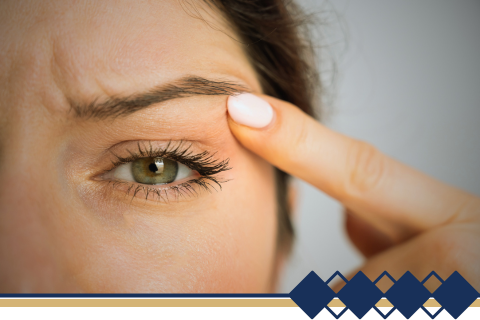
Eyelid Surgery (Blepharoplasty)

Upper and lower eyelid surgery to remove excess skin, reposition fat, and tighten lax muscle. Blepharoplasties are among the most commonly requested procedures at PESA.
Oculoplastic Surgeon 2

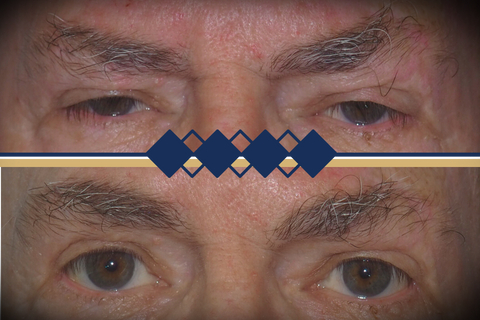
Droopy Eyelid (Ptosis Repair)

Levator muscle weakness or detachment causing the upper eyelid to drop, blocking vision and changing facial appearance is a frequent concern addressed at PESA, and the correction requires more surgical precision than most patients expect.
Oculoplastic Surgeon 3

Brow and Forehead Lift

A descended brow worsen upper eyelid bulk, weighing down the eyelid and creating a heavy, dull appearance. At PESA, we evaluate the both brow and eyelid together, since they are often a continuum. Managing one in isolation may produce shorter-lived results.
Oculoplastic Surgeon 4

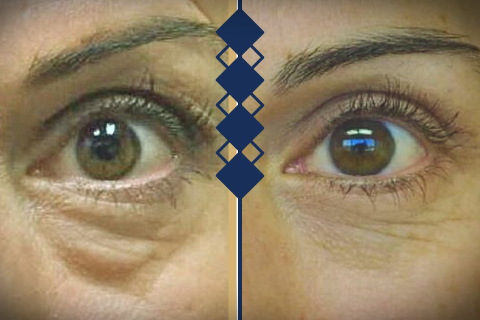
Lower Eyelid Aesthetics

Under-eye bags, tear trough hollows, dark shadows, and festoons are not all the same problem, nor do they have the same solutions. Fat and eyelid and cheek tissues may be repositioned, tightened, or removed. And sometimes volume addition is required. All of these problems and solutions are individualized, not only for each person, but for each eye, depending upon the anatomy and the final goal.
Oculoplastic Surgeon 5

Male Aesthetics

Cosmetic eyelid surgery on men isn’t the same operation as on women. Brow position, lid architecture, and what a natural result looks like all differ. PESA treats male aesthetic patients completely differently.
Oculoplastic Surgeon 6

Upper Eyelid Aesthetics / Upper Eyelid Lift

In cosmetic surgery, each eye is treated differently, taking into account, gender, age, ethnicity, existing asymmetries, underlying unique characteristics, and each individual’s goals. Targeted procedures consider not only underlying anatomy, but skin quality and character as well.

Reconstructive Procedures

Although aesthetic vision and surgical precision are essential for excellent cosmetic work, in some ways, reconstructive work is where PESA’s subspecialty depth sometimes matters most. These are the cases other surgeons refer to PESA, because they’re very complicated, the stakes are high, or both.

Oculoplastic Surgeon 7

Thyroid Eye Disease

PESA is among the busiest practices in the world for thyroid eye disease (TED) management. Dr. Soparkar has personally treated more than 7,500 TED patients. Treatment may be staged, treating active and inactive phases differently. Reconstruction may involve changing the relationship of the eye and the face (such as orbital decompression or facial augmentation), aligning the eyes to manage double vision, and then eyelid procedures to help with both eye function and appearance. The sequence of intervention matters. Early intervention in many cases matters more.
Oculoplastic Surgeon 8

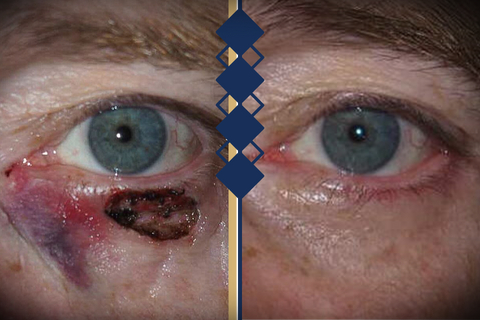
Eyelid Skin Cancer Reconstruction

Eyelid cancers are arguably best treated by removal using a dermatology technique called Mohs’ surgery. After Mohs’ removal, to prevent eyelid dysfunction and eye injury, many Mohs’ surgeons will send their patients to PESA to repair and reconstruct the complex defects around the eyes for the best possible eye function and cosmetic appearance.
Oculoplastic Surgeon 9

Orbital Trauma and Fracture Repair

Blowout fractures, rim fractures, complex orbital injuries. These are routinely referred to PESA by other surgeons (including other oculoplastic surgeons) to restore eye socket integrity, regain orbital volume, maximize eye movement without double vision, protect the eye, and regain pre-trauma appearance.
Oculoplastic Surgeon 10

Orbital Tumors

Surgery inside the orbit means working behind the eye, adjacent to the optic nerve and extraocular muscles and along the skull base next to the brain. Lymphoma, hemangioma, dermoid cysts, metastatic lesions are all common problems that require an intimate knowledge of the complex anatomy and a whole new and different level of expertise than that required for most plastic surgery.
Oculoplastic Surgeon 11

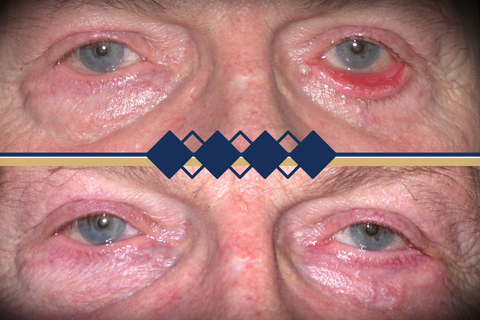
Entropion and Ectropion Repair

An eyelid turning inward (entropion) rubs on and abrades the eye. This can be both very painful as well as eye and vision threatening. An eyelid turning outward (ectropion) may cause eye exposure and drying with reflex constant tearing. Both conditions are correctable, and both worsen without treatment.
Oculoplastic Surgeon 12

Blepharospasm Treatment

Uncontrolled eyelid spasm isn’t cosmetic. If the eyelid spasms closed and won’t open, it’s disabling. At PESA, we’ve been treating these disorders with targeted botulinum injections and surgeries, including myectomies, since the mid 1980’s and were one of the first three practices in the world to use botulinum injections.
Oculoplastic Surgeon 13

Eyelid Reconstruction / Corrective Surgery
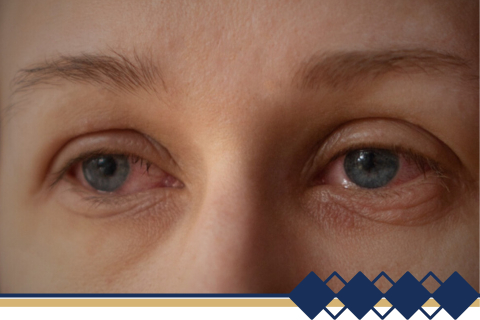
Secondary / revision eyelid and orbit reconstructive surgery following other surgeons’ work for cosmetic procedures, trauma, or cancer are common at PESA, where we are known for taking on the most complicated repairs.
Oculoplastic Surgeon 14

Tearing (Epiphora)

People make tears all the time to bathe their eyes and keep them healthy. Tearing may result if the tear drain (lacrimal outflow system) becomes obstructed or dysfunctional, there is an eyelid malposition that fails to hold or manage the tears effectively, or there is an eye surface disease triggering reflex tearing, PESA addresses the fundamental anatomic problem, not just the symptom. These problems may be multifactorial, requiring intimate understanding to provide management of many overlapping systems.
Oculoplastic Surgeon 15

Ptosis Repair—Functional

When a drooping eyelid obstructs vision, ptosis repair may be a medically indicated, insurance covered procedure, not just a cosmetic one.

Cosmetic Injectables

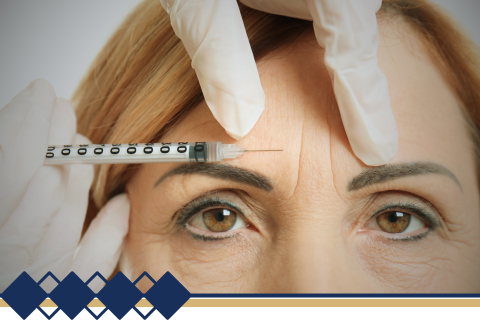
Injectable treatments at PESA are physician-performed in a practice that understands periocular and facial anatomy at a true functional and surgical level.
Oculoplastic Surgeon 16

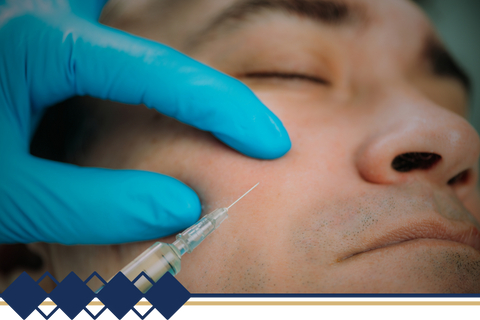
Botulinum Toxin (Botox)

Crow’s feet, brow depression, periorbital lines. Neurotoxin placement near the eye requires an intimate understanding of the relevant anatomy.
Oculoplastic Surgeon 17

Dermal Fillers

Tear trough, cheek, jaw line, nose, chin, and periorbital volume restoration are common requests. Filler placed incorrectly near the eye can result in unsightly irregularity, disfiguring swelling, and festoon development and/or exacerbation.
Oculoplastic Surgeon 18

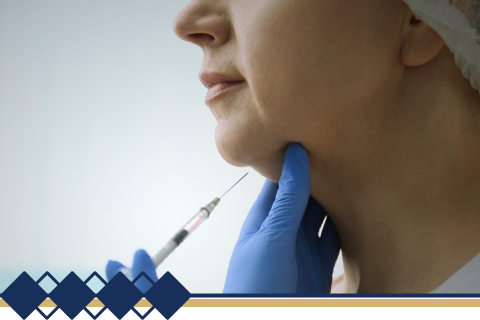
Kybella

Deoxycholic acid for submental fat reduction is non-surgical, yet permanent destruction of unwanted facial fat. Multiple sessions are sometimes beneficial.

The Surgeons

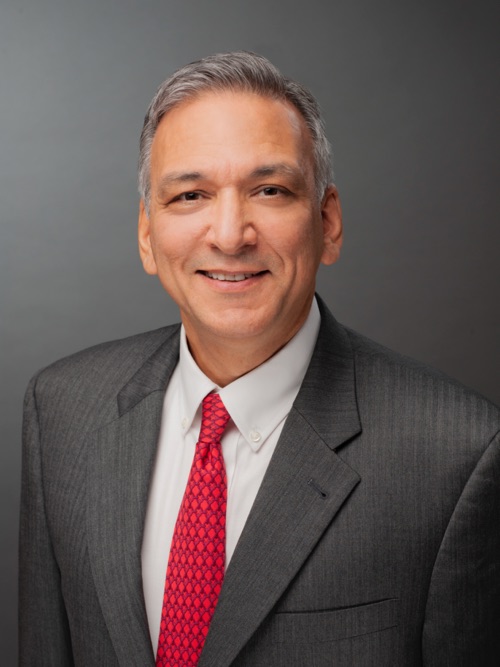
james patrinely

Dr. James Patrinely

Founded PESA in 1997. A Vanderbilt medical school graduate (Dean’s Award) with residency and fellowship training at Johns Hopkins, University of Utah, and Baylor College of Medicine. He has been an associate professor of ophthalmology and plastic surgery at Baylor. He is a board-certified ophthalmologist, Fellow of the American College of Surgeons and ASOPRS. He was voted by peer surgeons as the Best for Eyes in the “Best Plastic Surgeons in the US by Major City” ranking. He has over 100 published works and has given more than 200 lectures.
DrCharlesSoparkarM

Dr. Charles Soparkar

Holds a PhD in molecular biochemistry alongside his medical degree. He has served as Chief of Ophthalmic Oncology and Oculoplastic Surgery at UMass Medical Center, Boston University Medical Center, Tufts New England Medical Center, and the Harvard-affiliated Lahey-Hitchcock Clinic. He was Founder of the Pan American Study Society—a consortium of 30 of the world’s leading oculoplastic surgeons advancing patient care standards globally. He has treated more than 7,500 patients with thyroid eye disease, has over 185 publications, and has given over 400 lectures world wide. He also is a Fellow of both ASOPRS and the American College of Surgeons, and has been listed in “America’s Top Doctors” every year since 2008 and “Leading Physicians of the World” since 2011.

Why Patients (and Other Surgeons) Choose PESA

  • 180,000+ procedures. Four decades of referral trust from ophthalmologists, oncologists, endocrinologists, and other surgeons who send not only their hardest cases here, but also themselves and their own families.
  • Exclusive periocular focus. At PESA, the focus is solely on the eyes and eye region. No breast augmentation. No shortcut face lifts. No liposuction. No rhinoplasty. One focus, one anatomic region. That focus produces precision a general practice can’t replicate. Someone who “specializes” in a litany of totally diverse procedures, may be a master of none.
  • Peer referrals. When a physician makes a referral, both doctors are on the line, and when a surgeon sends their own family somewhere, it means even more. Nearly 20% of our patients are from physicians sending their friends and family.
  • Academic depth. Vanderbilt, Johns Hopkins, Baylor, Harvard-affiliated institutions, UMass. Not just trained there—published there, lectured there, and taught there.

Patient reviews and before-and-after results are on the site.

ppteam

Frequently Asked Questions

What's the difference between an oculoplastic surgeon and a plastic surgeon?
A plastic surgeon may train only in whole body plastic surgery, or more traditionally trains in general surgery first before completing a fellowship in whole body plastic surgery. An oculoplastic surgeon trains in ophthalmology first—three years focused entirely on the eye—then adds fellowship training in eyelid and orbital plastic surgery. That foundation means PESA surgeons understand eye and corneal protection, tear drainage mechanics, and orbital anatomy at a level general plastic surgeons don’t train to address.
What conditions does an oculoplastic surgeon treat?
Both cosmetic and functional problems around the eye using both surgical and non-surgical methods. Common procedures are extra eyelid tissue (dermatochalasis) by upper eyelid blepharoplasty, droopy eyelids (ptosis), under-eye bags, brow droop or descent, eyelid, eye, and eye socket cancers, Thyroid Eye Disease (TED), orbital deformities from fractures or disease, chronic tearing, entropion and ectropion, and blepharospasm.
Does insurance cover any of this?
Functional procedures, those that are medically necessary for the health and function of the eye, are often covered. Some examples are upper eyelid ptosis when vision is obstructed, upper or lower eyelid retraction with exposure and drying of the eye, orbital or eyelid trauma or tumor, and tear drain problems. Cosmetic blepharoplasty, brow lifts, and injectables, on the other hand, are often not covered. The line between cosmetic and functional assignment isn’t always obvious, but determination and explanation often occurs during initial consultation. At PESA, we are not afraid to fight for insurance coverage.
How do I know if I need surgery or something non-surgical?
You often don’t know until a surgeon evaluates you. Some eyelid concerns that look surgical respond well to injectables or medical management. On the other hand, some issues that seem totally cosmetic have a medical foundation or functional components worth addressing. A consultation typically clarifies these questions.
What should I look for in an oculoplastic surgeon?
ASOPRS membership or equivalent credentialing. Surgical volume—specifically eyelid procedures per year, not total surgical cases. Subspecialty focus. And peer referral patterns. Ask your ophthalmologist or primary care doctor who they’d send their own family to.
Does PESA treat Thyroid Eye Disease?
Yes—and it’s a significant part of the practice. Dr. Soparkar has personally treated over 7,500 TED patients, and nobody has lost vision once in the practice. Treatment is separated into active phase and inactive phase management. Reconstruction may be staged, and a proper sequence of intervention is very important. Having early guidance and management can be even more important for vision preservation.
Do I need a referral?

Not for cosmetic consultations. For functional cases, on the other hand, a physician referral is sometimes required by insurance companies. Since many people with cosmetic concerns often have additional or underlying functional issues, it is always safest to have a physician referral if possible. Our staff can tell you whether a referral is required for your insurance. Houston: (713) 795-0705 | Pensacola: (850) 473-0990 or visit our contact page for email advice.

Schedule a Consultation

PESA sees patients for both cosmetic and reconstructive oculoplastic concerns across our locations.
Toll-Free: (844) 958-2020 | Houston: (713) 795-0705 | Pensacola: (850) 473-0990